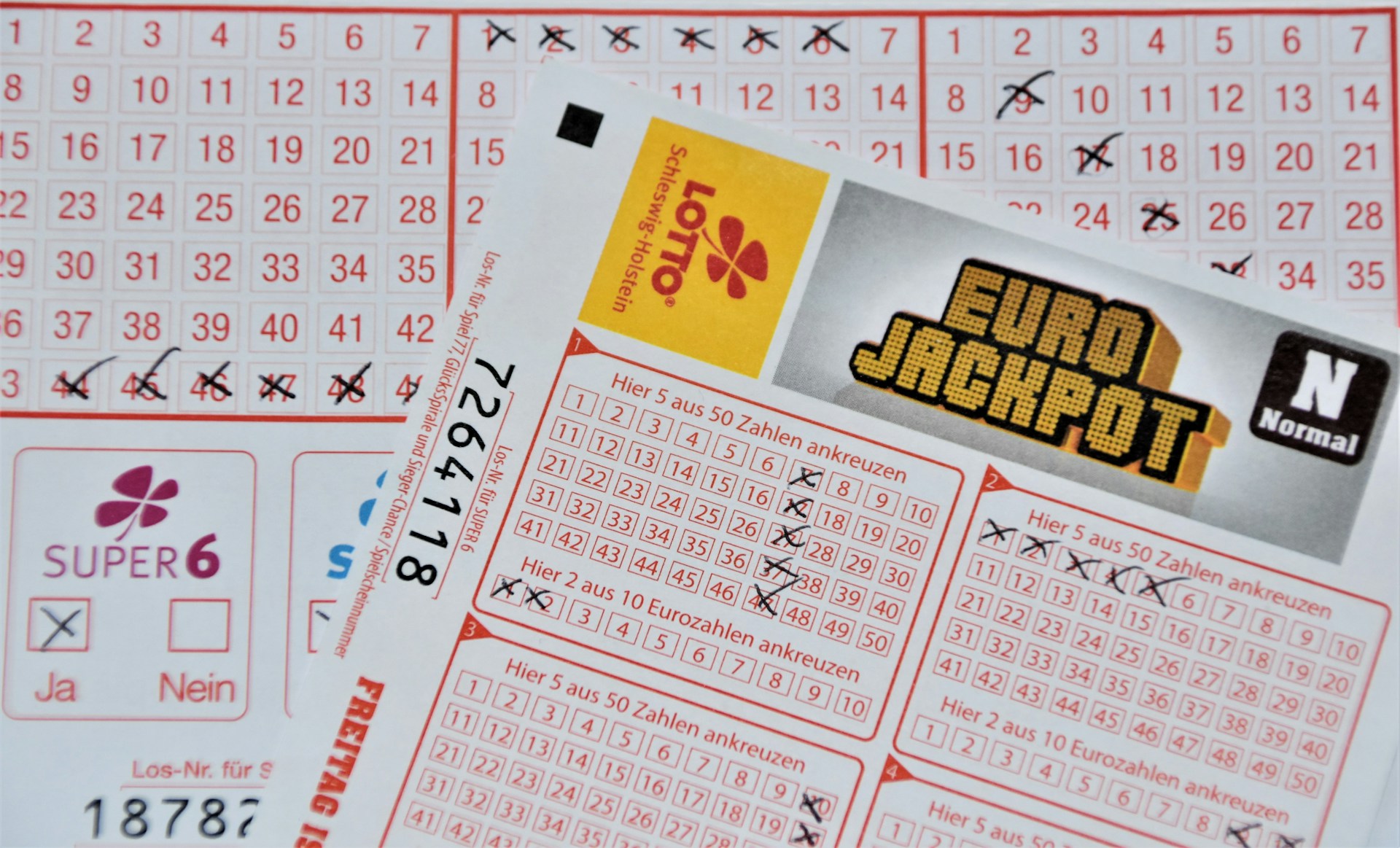
Lottery games have long been a popular form of entertainment and a source of hope for millions worldwide, including many in Vietnam. The thrill of potentially winning a large sum of money with just a small investment attracts countless players to participate regularly. But what exactly makes lottery games so addictive for many players? This essay explores the psychological, social, and cultural factors behind the addictive nature of lottery games, with a focus on Vietnamese players and the increasing popularity of local lotteries such as Xổ số Đồng Tháp. For those interested in participating or following live draws, platforms like xosodongthap.vip offer comprehensive access to live broadcasts, predictions, and evaluation tools.
The Psychological Appeal of Lottery Games
The Thrill of Uncertainty and Hope
One of the key reasons lottery games are so addictive is the psychological excitement created by uncertainty and hope. Each ticket purchased represents a chance—however small—at life-changing wealth. This “hope factor” drives players to buy tickets repeatedly, fueled by the possibility of a sudden, dramatic change in their circumstances.
In Vietnam, where economic challenges persist for many, the lottery offers a tantalizing opportunity to escape financial hardship. The dream of hitting a jackpot ignites a strong emotional response. Even the smallest win provides a dopamine rush, reinforcing the desire to play again.
The Variable Reward System
Lotteries operate on a variable ratio reinforcement schedule, a concept from behavioral psychology that explains why certain activities become addictive. Unlike fixed rewards given after a set number of tries, variable rewards are unpredictable. This unpredictability creates a powerful motivation loop.
Each lottery draw is an independent event with an uncertain outcome. Players never know when they might win, which keeps their anticipation high and encourages ongoing participation. This mechanism is similar to gambling behaviors seen in casinos or slot machines, where irregular wins maintain player interest.
Illusion of Control and Near-Misses
Many players develop an illusion of control over the outcome of lottery draws, believing that their choice of numbers or timing can increase their chances of winning. This belief enhances engagement, even though lottery outcomes are purely random.
Additionally, near-misses—where a player’s ticket is close to winning—can be surprisingly addictive. Near-misses trigger similar brain responses to actual wins, encouraging players to try again. In Vietnamese lottery culture, analyzing past results and patterns is common, feeding into this illusion and sustaining addiction.
Social and Cultural Influences on Lottery Addiction
Community and Tradition
In Vietnam, lottery playing is deeply embedded in social and cultural traditions. Many families and communities gather to watch lottery results together, especially local games like Xổ số Đồng Tháp. This communal aspect transforms lottery playing into a shared experience that strengthens social bonds.
The cultural habit of buying lottery tickets during festivals, holidays, or significant personal events also reinforces participation. It is not uncommon for people to purchase tickets as gifts or for good luck, adding to the social pressure to play regularly.
The Influence of Media and Marketing
The media plays a significant role in promoting lottery games, often highlighting winners and their stories. These narratives of sudden wealth feed into players’ aspirations, creating a powerful allure.
In Vietnam, the accessibility of live lottery broadcasts and online platforms like xosodongthap.vip has made it easier than ever for players to follow draws in real time, increasing engagement and immediacy. Constant exposure to lottery marketing messages also normalizes playing, making it seem like an everyday activity rather than a risky gamble.
Economic Factors Behind Lottery Game Addiction
Affordable Participation
One reason lotteries are particularly addictive is their affordability. Buying a lottery ticket requires a small investment, which many players perceive as a low-risk gamble compared to other forms of betting or gambling.
In Vietnam, where average incomes may not be high, the lottery is one of the few gambling options accessible to many people. The small ticket price combined with the chance for a massive payout creates an enticing risk-reward balance that keeps players coming back.
Perceived Opportunity for Financial Mobility
For many Vietnamese players, lottery games represent more than just entertainment—they symbolize hope for upward financial mobility. The chance to win a large sum of money can appear as an escape route from economic difficulties.
This economic motivation fuels addiction, especially when players continuously buy tickets in the hope that their next bet might be the breakthrough. Unfortunately, this hope can lead to excessive spending and financial strain for vulnerable individuals.
The Role of Online Platforms in Enhancing Addiction
Convenience and Accessibility
The rise of online lottery platforms has transformed the way people play. Websites like xosodongthap.vip allow Vietnamese players to participate in local lotteries such as Xổ số Đồng Tháp from anywhere and at any time, increasing convenience and reducing barriers to participation.
This easy access means players can check results live, get predictions, and analyze previous draws quickly—all factors that deepen their engagement with the game. The instant availability of information encourages frequent play and sustained interest.
Real-Time Engagement
Watching the lottery draw live adds excitement and immediacy to the experience. Platforms trực tiếp xổ số đồng tháp help players feel connected to the event and heighten anticipation.
Furthermore, tools for predicting and evaluating numbers offered by online services create the illusion that players can improve their odds, even though lottery outcomes remain random. This perceived control can increase the time and money players invest, contributing to addictive behavior.
Recognizing and Managing Lottery Addiction
While lottery games offer entertainment and occasional rewards, it is essential to recognize the signs of addiction and manage play responsibly.
Warning Signs of Addiction
-
Spending more money on lottery tickets than intended.
-
Constantly thinking about lottery numbers or past results.
-
Feeling restless or irritable when unable to play.
-
Chasing losses by buying more tickets after a loss.
-
Neglecting personal, social, or financial responsibilities due to playing.
Responsible Playing Tips
-
Set a strict budget for lottery spending and never exceed it.
-
View lottery games as entertainment, not as a reliable way to make money.
-
Avoid playing when feeling stressed or pressured.
-
Take regular breaks from playing.
-
Seek support from family, friends, or professional help if feeling addicted.
Conclusion
The addictive nature of lottery games stems from a combination of psychological, social, economic, and technological factors. The allure of hope, the thrill of uncertainty, social traditions, affordability, and the convenience of online platforms all contribute to why many players in Vietnam find lotteries irresistible.
For Vietnamese players interested in joining or following lottery games such as Xổ số Đồng Tháp, platforms like xosodongthap.vip offer valuable resources including live draws, predictions, and detailed evaluations. However, it is vital to engage with lottery games responsibly, balancing the excitement with awareness to avoid the pitfalls of addiction.
Ultimately, understanding the forces behind lottery addiction helps players enjoy the game safely, keeping the fun alive while protecting their well-being.